
Understanding the Technology Behind 25.1kWh LiFePO4 EV Batteries: A Comprehensive Guide
Understanding the Technology Behind 25.1kWh LiFePO4 EV Batteries Table of Contents 1. Introduction to LiFePO4 Technology 2. What is LiFePO4? 3. Advantages of LiFePO4 Batteries 4. Disadvantages of LiFePO4 Batteries 5. Applications in Electric Vehicles 6. Performance Specifications of 25.1kWh LiFePO4 Batteries 7. Charging and Discharging Cycles 8. Future Trends i
Jan 14,2026
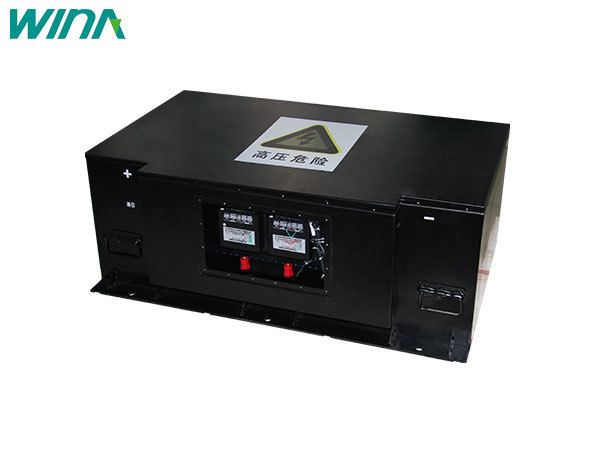
Understanding the Technology Behind 25.1kWh LiFePO4 EV Batteries
Table of Contents
- 1. Introduction to LiFePO4 Technology
- 2. What is LiFePO4?
- 3. Advantages of LiFePO4 Batteries
- 4. Disadvantages of LiFePO4 Batteries
- 5. Applications in Electric Vehicles
- 6. Performance Specifications of 25.1kWh LiFePO4 Batteries
- 7. Charging and Discharging Cycles
- 8. Future Trends in LiFePO4 Technology
- 9. Frequently Asked Questions
- 10. Conclusion
1. Introduction to LiFePO4 Technology
The rise of electric vehicles (EVs) has brought about an urgent need for advancements in battery technology. Among various options, **lithium iron phosphate (LiFePO4)** batteries have gained significant popularity. They are renowned for their safety, long cycle life, and thermal stability, making them an ideal choice for EV applications. This article delves deep into the technology behind the 25.1kWh LiFePO4 EV batteries, shedding light on their workings, benefits, and future prospects.
2. What is LiFePO4?
LiFePO4, or **lithium iron phosphate**, is a type of lithium-ion battery that employs iron phosphate as the cathode material. This innovative technology stands out due to its robust electrochemical performance and superior thermal stability when compared to other lithium-ion batteries. LiFePO4 batteries are characterized by their long lifespan, high charging rates, and excellent safety profiles, making them a popular choice in various applications, particularly in the electric vehicle market.
2.1 Chemical Composition
The chemical structure of LiFePO4 plays a crucial role in its performance. The iron phosphate crystal lattice enables lithium ions to move freely, enhancing the battery's overall efficiency. This specific composition allows for a more stable operation and significantly reduces the risk of thermal runaway, which is a common concern in other lithium battery technologies.
3. Advantages of LiFePO4 Batteries
LiFePO4 batteries offer a plethora of advantages, particularly in the realm of electric vehicles. Below are some of the most notable benefits:
3.1 Safety and Stability
One of the primary advantages of LiFePO4 technology is its enhanced safety features. Unlike other lithium-ion batteries, LiFePO4 batteries are less prone to overheating and combustion. The stable chemical structure significantly reduces the risk of thermal runaway, making them a safer choice for use in EVs.
3.2 Long Lifespan
LiFePO4 batteries boast an impressive lifespan, often exceeding 2000 cycles. This longevity translates to a longer operational life for electric vehicles, reducing the frequency of battery replacements and lowering maintenance costs.
3.3 High Discharge Rates
These batteries can deliver high discharge rates, making them ideal for applications requiring substantial power output, such as acceleration in electric vehicles. This feature enhances the overall performance and driving experience for EV users.
4. Disadvantages of LiFePO4 Batteries
While LiFePO4 batteries have numerous benefits, they are not without their drawbacks. Understanding these limitations is crucial for making informed choices regarding their use.
4.1 Lower Energy Density
One significant drawback of LiFePO4 batteries is their lower energy density compared to other lithium-ion batteries. This means they are heavier and bulkier for the same power capacity, which can be a limiting factor in certain applications.
4.2 Higher Initial Cost
The initial investment for LiFePO4 batteries tends to be higher than that of other battery technologies. However, the long-term benefits often justify the upfront costs, especially when considering their lifespan and performance.
5. Applications in Electric Vehicles
LiFePO4 batteries are becoming increasingly prevalent in the electric vehicle sector. Their robust performance characteristics make them suitable for various types of EVs, including:
5.1 Electric Cars
Many electric car manufacturers are utilizing LiFePO4 batteries for their excellent safety features and longevity. This choice provides consumers with a reliable and durable power source.
5.2 Electric Buses
Public transportation is also adopting LiFePO4 technology. Electric buses equipped with these batteries can operate longer distances and withstand the rigors of daily use without compromising safety or performance.
5.3 Electric Bicycles and Scooters
The lightweight nature of LiFePO4 batteries makes them a popular choice for electric bicycles and scooters. Their high discharge rates enhance acceleration and overall riding experience, appealing to urban commuters.
6. Performance Specifications of 25.1kWh LiFePO4 Batteries
The 25.1kWh LiFePO4 battery is engineered for optimal performance in electric vehicles. Key specifications include:
6.1 Capacity and Voltage
This battery has a nominal capacity of 25.1kWh and operates at a voltage of 48V, providing a reliable energy source for various applications.
6.2 Charge and Discharge Rates
With a maximum charge rate of 0.5C and a discharge rate of up to 1C, the 25.1kWh LiFePO4 battery ensures optimal performance during both charging and usage.
6.3 Temperature Range
These batteries can operate efficiently within a temperature range of -20°C to 60°C, making them suitable for various environments and conditions.
7. Charging and Discharging Cycles
The charging and discharging cycles of LiFePO4 batteries are critical to their lifespan and performance.
7.1 Fast Charging Capabilities
LiFePO4 batteries can be charged rapidly, enabling users to recharge their electric vehicles in a shorter amount of time. This feature is particularly beneficial for urban drivers with limited charging time.
7.2 Cycle Life and Efficiency
The cycle life of LiFePO4 batteries often exceeds 2000 cycles, retaining a significant percentage of their capacity even after extensive use. This longevity contributes to their cost-effectiveness and reliability in long-term applications.
8. Future Trends in LiFePO4 Technology
As technology continues to evolve, so does the potential for LiFePO4 batteries. Anticipated trends include:
8.1 Integration with Renewable Energy Sources
LiFePO4 batteries can be integrated with renewable energy systems, storing energy generated from solar or wind sources. This synergy will offer sustainable energy solutions for homes and electric vehicles alike.
8.2 Advancements in Battery Technology
Ongoing research aims to improve the energy density and reduce the cost of LiFePO4 batteries. Innovations in materials and manufacturing processes will enhance their viability in various applications.
9. Frequently Asked Questions
9.1 What is the lifespan of a 25.1kWh LiFePO4 battery?
The lifespan of a 25.1kWh LiFePO4 battery typically exceeds 2000 cycles, depending on usage and maintenance.
9.2 Are LiFePO4 batteries safe for electric vehicles?
Yes, LiFePO4 batteries are known for their safety features, including a low risk of thermal runaway and overcharging.
9.3 How do LiFePO4 batteries compare to other lithium batteries?
LiFePO4 batteries have lower energy density but offer greater safety, longer lifespan, and better thermal stability than many other lithium battery types.
9.4 Can LiFePO4 batteries be recycled?
Yes, LiFePO4 batteries can be recycled, and many facilities are emerging that specialize in reclaiming valuable materials from spent batteries.
9.5 What applications beyond EVs can benefit from LiFePO4 technology?
LiFePO4 technology is also applicable in renewable energy storage, uninterruptible power supplies, and portable electronics.
10. Conclusion
The **25.1kWh LiFePO4 battery** represents a significant advancement in battery technology for electric vehicles. With their unmatched safety features, long lifespan, and high discharge rates, these batteries are poised to play a crucial role in the future of sustainable transportation. As we continue to innovate and explore new applications, LiFePO4 technology will undoubtedly contribute to a greener, more efficient world. Understanding the technology behind these batteries not only highlights their importance but also encourages further exploration into their potential across various industries.

Request Quote
Note: Please be sure to fill in the information accurately and keep communication open, we will get in touch with you as soon as possible